
Language icon EN

Assortment

08-02-2024

OLED vs. LCD Display - Discover the Differences between Phone screens

OLED vs. LCD Display - Discover the Differences between Phone screens

In the rapidly evolving technological world, display technologies continue to advance. LCD and OLED have significantly enhanced our viewing experiences. But what are the exact differences between these two technologies and how do they impact screen quality? This blog takes an in-depth look into the world of LCD and OLED, revealing which technology excels in image quality.


What is OLED Technology?

OLED stands for Organic Light-Emitting Diode, an advanced screen technology that utilizes organic materials to emit light when an electrical current is applied. This allows the screen to display deeper black tones, as pixels can be completely turned off. The result is high contrast and vibrant colors. Unlike traditional screen technologies such as LCD, OLED displays do not require backlighting.


OLED is often employed in high-end smartphones, televisions, and other electronic devices due to its impressive image quality and design flexibility.


What is LCD Technology?

LCD stands for Liquid Crystal Display, a screen technology that uses liquid crystals to display images. In an LCD screen, each pixel consists of multiple layers, including liquid crystals placed between two glass plates. When an electrical current is applied to the liquid crystals, they can change their orientation, allowing light to pass through or block it, creating various colors and images.


LCD technology is widely used in smartphones, televisions, monitors, and other electronic devices due to its cost-effectiveness and widespread availability in various formats. Devices such as iPhone 8, iPhone XR, and iPhone 11 utilize an LCD display.


OLED vs LCD Screen


The differences between OLED and LCD

The distinctions between OLED and LCD screen technologies lie in image quality, design, lifespan, power consumption, and price. Here are the differences outlined:


1. Backlighting:

  • OLED: No backlighting is needed. Each pixel emits light independently, resulting in deeper black tones and high contrast.
  • LCD: Requires backlighting to illuminate the screen. This can lead to less deep black tones and limited contrast.


2. Contrast and Color Reproduction:

  • OLED: Offers improved contrast by dynamically managing individual pixels, resulting in vibrant colors and deeper black tones.
  • LCD: Depends on backlighting, which may result in less deep black tones and potentially less vibrant colors.


3. Flexibility and Thinness:

  • OLED: Can be flexible and produced in curved or thin forms, allowing for thin profiles. Both Hard OLED and Soft OLED are available for iPhone screens.
  • LCD: This is somewhat less flexible and often thicker compared to OLED screens.


4. Viewing Angles:

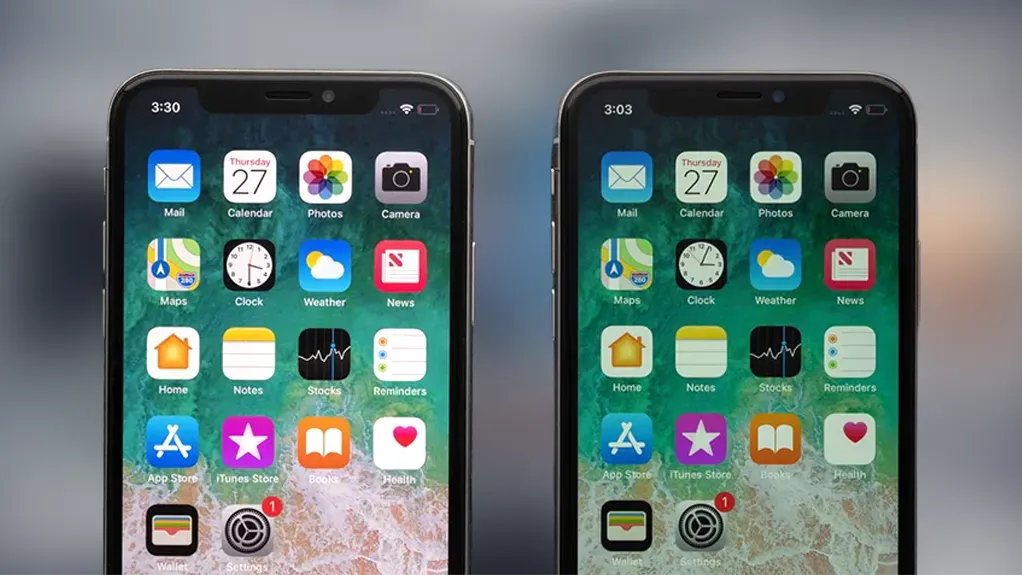
  • OLED: Provides wide viewing angles with consistent color and brightness levels, regardless of the viewing position.
  • LCD: Viewing angles may be more limited, with potential color shifts at extreme angles.

A wide viewing angle is crucial for displays that are only sometimes viewed head-on. Wide viewing angles ensure that images on the screen remain consistent and maintain quality, regardless of the viewer's angle.


5. Power Consumption:

  • OLED: Consumes less energy when displaying dark images since black pixels are completely turned off.
  • LCD: Constantly consumes energy, regardless of the displayed content, due to the ever-present backlighting.


6. Lifespan:

  • OLED: Depends on usage. An OLED screen displaying static images for extended periods may not have the same lifespan as a screen constantly showing dynamic, moving images.
  • LCD: Generally, an LCD screen has a longer lifespan and is less susceptible to burn-in. Most LCD screens offer reliable performance for around 7 years.


5. Price:

  • OLED: The production of OLED panels is currently more expensive than that of LCD panels. The production processes and materials for OLED are more complex and costly.
  • LCD: Generally, LCD panels are cheaper to produce, which can reduce the initial costs of LCD screens.


What is the Best Choice: OLED or LCD?

OLED is generally more expensive but offers superior image quality and design flexibility. On the other hand, LCD screens are often more affordable and used in a broader range of devices, making them a more cost-effective option depending on consumers' needs and budgets. Ultimately, determining which technology is better is challenging.


OLED is typically considered the newer and more advanced display technology, but LCD still has much to offer, especially with new developments addressing some of its shortcomings. In terms of resolution and price, there are various options, and there's no clear winner. So, the best technology depends on various factors such as price, personal preferences, intended applications, and other individual preferences.


If you have any questions about the differences between OLED and LCD screen technologies or any other inquiries, feel free to send us a message via support. We are ready to assist you quickly and effectively.

FDX LITE

FDX LITE

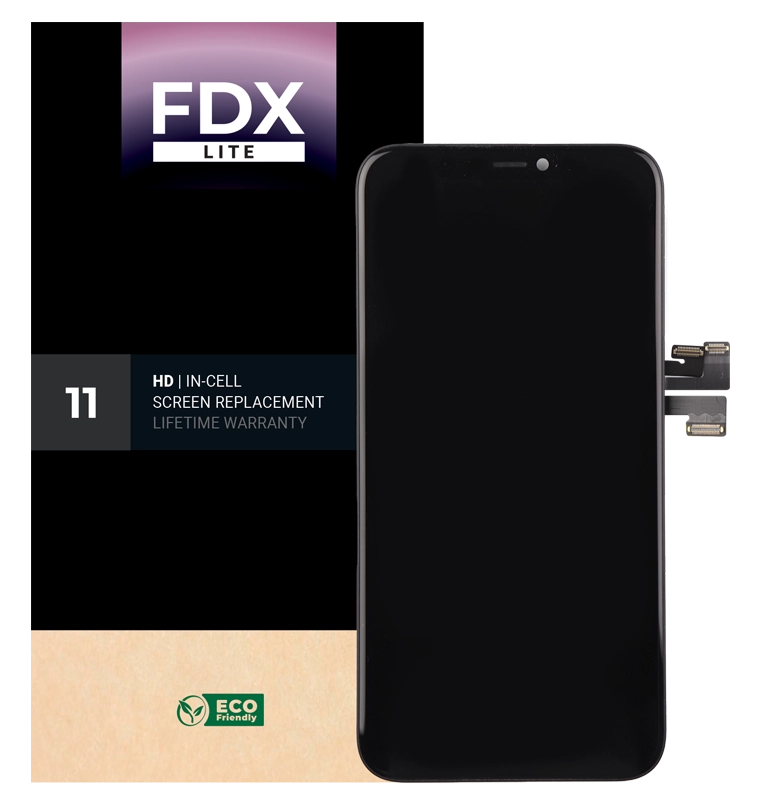
To offer our customers an affordable option, we introduce FDX Lite. These screens have an HD resolution and provide the best quality within this price segment. While we conduct strict quality controls, we have no influence on the production process. FDX Lite screens come with a factory warranty, but damage to the interior of the screen is not covered by the warranty.
Features FDX LITE
Pixel resolution High Definition (HD)
Refresh rate Fast response
Includes Camera holder, earpiece mesh and proximity bracket
Temperature Low and controlled
360° Polarized Supported
Oil resistant coating Supported
Anti-glare Supported
Front Glass Anti-dust and fingerprint oil
Inspection Tested before shipment
Warranty Covered
service-pack
Service Pack
These parts are original and manufactured in a certified environment by the original manufacturer of the device.
pulled
Pulled
These parts are 100% authentic and undergo rigorous testing and inspection after being removed from an original pre-owned device.
refurbished
Refurbished
These parts have been removed from an original pre-owned phone, but the front glass has been replaced with a glass equivalent to the original, while all other materials have remained authentic.
oem-equivalent
OEM-Equivalent
These parts are professionally assembled by a third party using equivalent components and materials to the original manufacturer.
fdx-ultra
FDX ULTRA
Soft OLED is a high-quality LTPS-OLED solution offering excellent value for money. Thanks to its flexible COP design, the display is thin, lightweight, and less prone to breakage, while delivering bright and vibrant visuals close to OEM-level quality. The touch response is fast and precise, and each batch is carefully tested for color, stability, and performance. This allows professional repair technicians to rely on consistent quality, high compatibility, and a dependable display that looks premium without the premium price tag.
fdx-pro
FDX PRO
Hard OLED is an affordable OLED solution that combines bright, sharp image quality with strong price positioning. The rigid COF panel provides a solid construction that performs well in everyday use. Colors are vibrant, brightness is strong, and touch response remains accurate. Each batch is checked for stability, uniformity, and sensitivity, ensuring technicians can rely on consistent quality. Hard OLED is ideal for customers who want a competitive price without sacrificing reliable performance and visual clarity.
fdx-elite
FDX ELITE
FDX Elite is our premium product, where we work closely with the manufacturer to optimize quality. We make improvements based on customer feedback and our own expertise. Due to our direct influence on the production process, we have full confidence in the quality. Therefore, we offer extensive warranty coverage on these screens: even damage inside the screen (which is normally not covered) is included. However, if damage is visible to the naked eye, whether inside or outside, the warranty becomes void. Our FDX Elite screen has an FHD+ resolution and will be the most expensive option due to its added value and extensive warranty. With this quality and service, we aim to provide a worry-free experience for our customers.
fdx-prime
FDX PRIME
FDX Prime represents the standard in-cell quality, purchased directly from the manufacturer, just like other suppliers in the market. The choice of manufacturer depends on the quality of the production batch, and the products meet the highest in-cell quality standards in the market. FDX Prime screens have an FHD resolution and come with a regular factory warranty. This means that damage to the interior of the screen is not covered.

Get in touch

We are available from Monday till Friday from 09:00 - 17:00 (CET)