 DA
DA


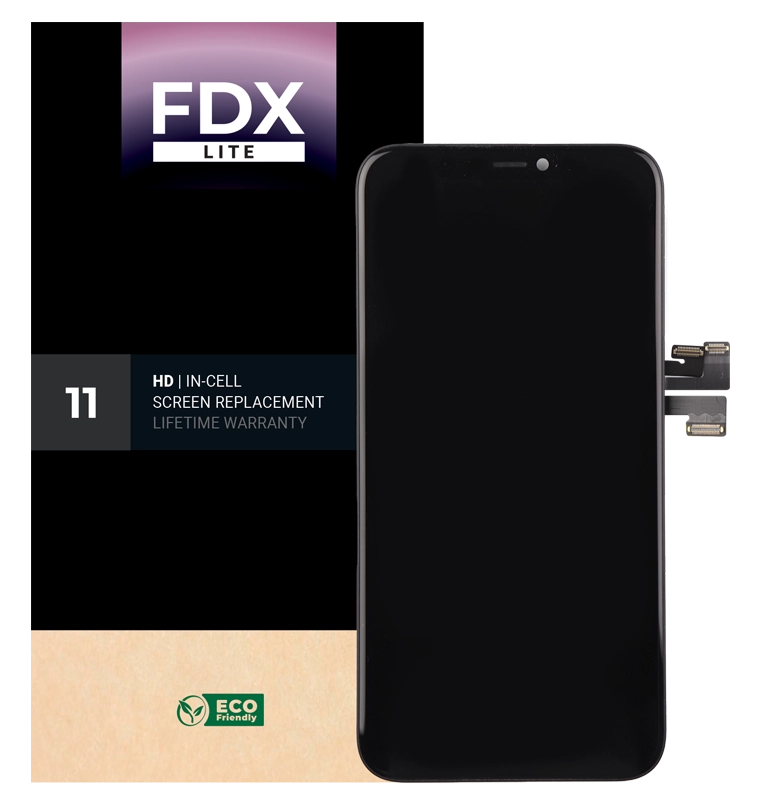
Why You Should Always Test Smartphone Screens Before Installation
12-05-2026 • Læsetid: 3 min
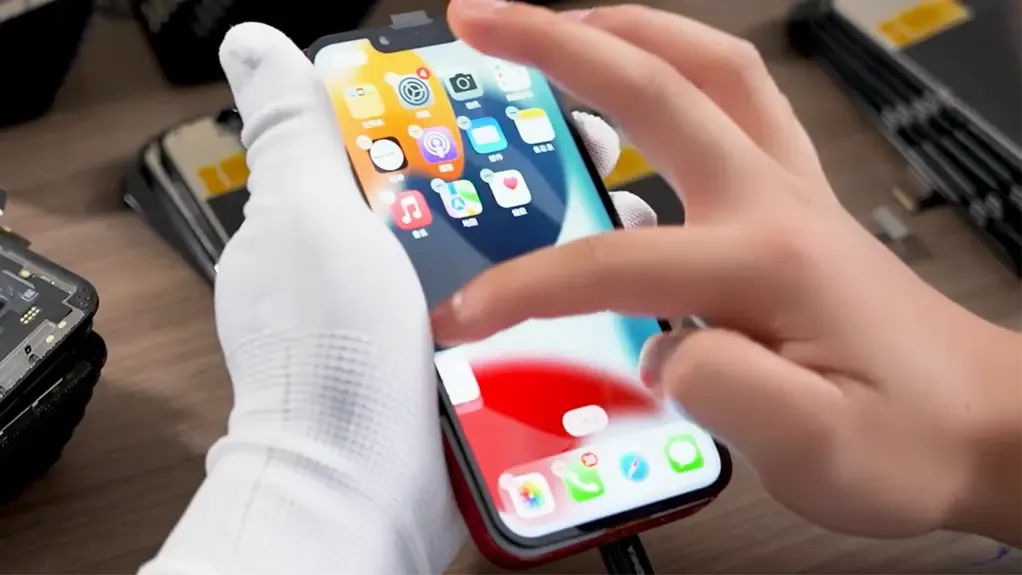
For repair technicians, a fast and successful screen repair is essential. However, as a supplier, we still notice that one important step is often skipped: testing a smartphone screen before full installation.
Although most suppliers test screens before shipping, it is still important to check the screen yourself before fully installing it.
In this blog, we explain why pre-testing is important, which risks you can avoid, and what repair technicians should pay attention to when testing smartphone screens.
Why Testing Screens Before Installation Is Important
Even with high-quality smartphone screens, defects or irregularities can occasionally occur. Examples include:
- No display
- Touch functionality issues
- Lines or spots on the display
- Flickering image
- Brightness issues
- Faulty OLED or LCD panels
By testing a screen beforehand, you avoid fully assembling a device only to discover that the screen is not functioning properly. This saves both time and unnecessary reassembly work.
What Should You Test on a Smartphone Screen?
When testing a smartphone screen, repair technicians usually check several components and functions.
Step 1: Perform a Visual Inspection
Before connecting the screen, it is important to visually inspect the product for:
- Damage to the flex cable
- Scratches or cracks in the glass
- Bent connectors
- Damage to the frame
- Loose components
A visual inspection helps identify transport damage or manufacturing defects at an early stage.
Step 2: Test Image Quality
Check the screen for:
- Dead pixels
- Lines or streaks
- Discoloration
- Flickering
- Brightness issues
Step 3: Test Touch Functionality
Make sure that:
- All areas of the screen respond correctly
- Touch functionality works properly
- There is no ghost touch present
Stap 4: Test Sensors and Additional Functions
Depending on the device, also check:
- Fingerprint scanner
- Proximity sensor (during a call, place your finger over the front camera)
- Face ID
- Refresh rate
- True Tone functionality

Why Pre-Testing Is Important for Your Warranty
Do not fully install the product until you are certain that it functions 100% correctly. Many suppliers apply warranty conditions stating that screens must not be fully installed when reporting a defect.
Once a screen has been fully glued or mounted, it becomes more difficult to determine whether the defect originated during production or occurred during installation.
By testing screens beforehand, you avoid unnecessary discussions and work more efficiently.
Having Problems During Testing or Need Assistance?
If you notice issues during testing such as:
- No display
- Touch issues
- Display malfunctions
- Defective sensors
Or if you are unsure about the correct testing method, feel free to contact the Foneday Support team. On working days between 09:00 and 17:00, we usually respond within 5 minutes, allowing us to quickly provide a suitable solution or advice on correctly testing your screen.
Conclusion
Testing smartphone screens before installation is an important step in every repair process. By visually inspecting and testing a screen before fully installing it, you can avoid unnecessary repair time and customer issues.
At Foneday, we understand how important reliable parts and a smooth repair process are. That is why we support repair technicians not only with parts, but also with practical assistance throughout the repair process.
Do you have questions about testing smartphone screens or are you experiencing issues during a repair? Feel free to contact our Support team.
Stay up to date with the latest developments and updates by reading our blogs and following us on LinkedIn.